
No one should be left with the aftermath of another’s negligent driving. If you were injured because another driver felt like their time was more valuable than your life, they deserve to be held financially accountable for your damages, including medical bills, pain and suffering, property damage, lost wages, and more. Marc Brown can help you seek justice by filing a personal injury claim or lawsuit, demanding fair compensation from the negligent driver’s insurance company.
Why Choose Us?
We proudly serve all of South Carolina, working from our offices based in Columbia and Sumter. At Marc Brown Law Firm, you can count on expert local legal support for your South Carolina car accident lawsuit. Here’s why our firm is the right choice for you
Experienced Claim Management: Car accident cases often involve intricate legal and medical challenges. With extensive experience, Marc Brown and his team can skillfully handle these complexities. If you’re facing medical issues following a vehicle accident in Richland County, reach out to our legal team today for the right Columbia car accident legal help.
Free Initial Consultations: Our accident attorneys typically operate on a contingency fee basis, meaning you only pay if we win your case. Our Sumter car accident injury lawyers will evaluate your case, explore your circumstances, and guide you toward fair compensation across Sumter County, South Carolina, and Georgia.
Objectivity and Efficiency: An experienced motor vehicle accident lawyer from our firm can offer an impartial perspective on your Orangeburg County accident case, helping you make well-informed decisions free from emotional bias.
Contingent attorneys’ fees refer only to those fees charged by attorneys for their legal services. Such fees are not permitted in all types of cases. Court costs and other additional expenses of legal action usually must be paid by the client.
Five Most Common Types of Car Crashes
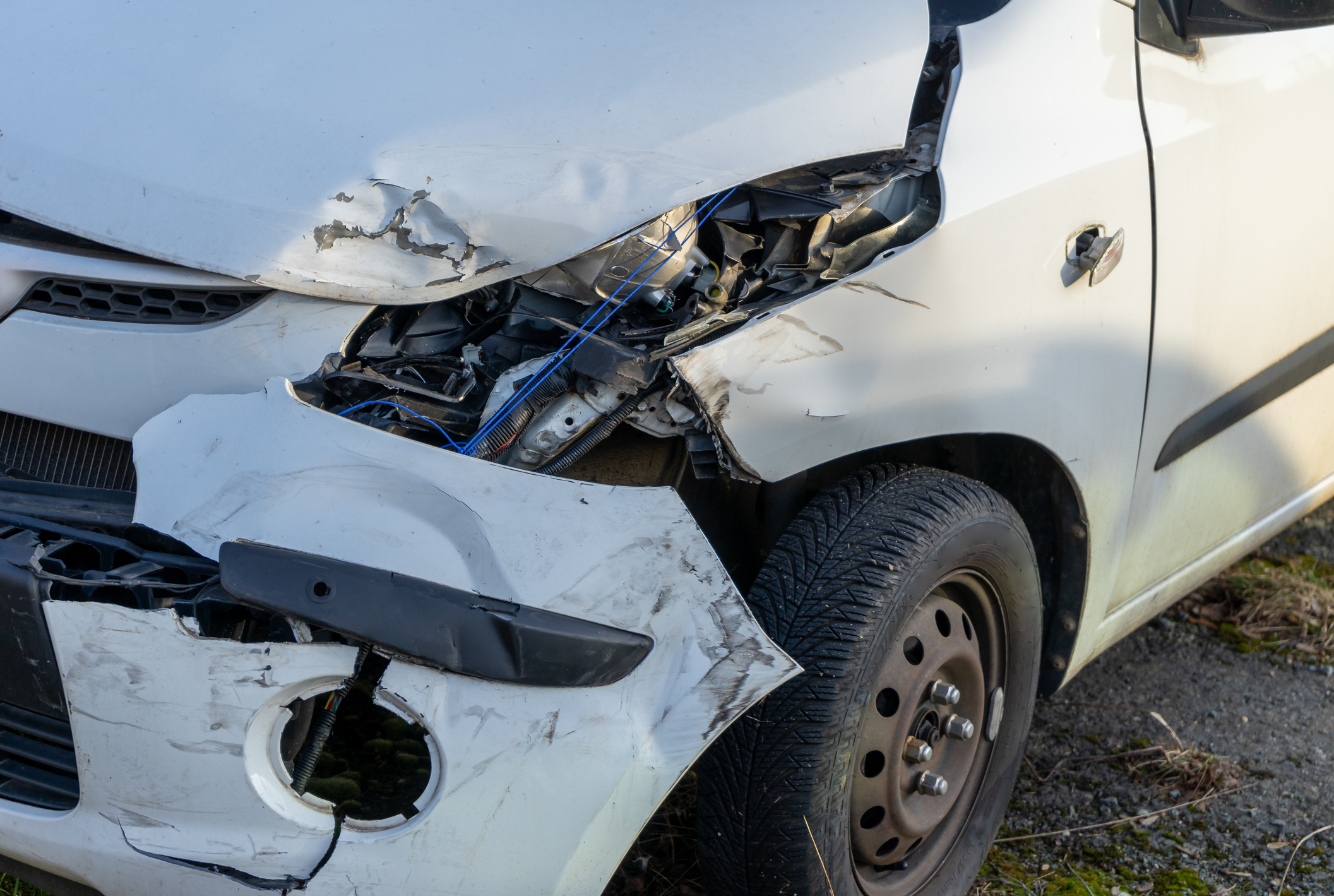
- Rear-Enders—Rear-end crashes happen when one party is following too closely, the driver in front intentionally steps on the brakes to “punish” the rearward driver, or when the front driver passes and cuts in without enough space on the highway. Moreover, not all rear-enders are fender benders. High-speed rear-end collisions on the highway can cause cervical fractures to either party. Relatively low-speed rear-end crashes often result in whiplash, facial lacerations from broken glass and airbags, and fractured knee caps or legs from impacting the front dash.
- Sideswipe Collisions—A sideswipe crash is most likely to occur when a driver is changing lanes or merging and collides with a vehicle to the side that was already there. Sideswipe crashes usually happen when the lane-changing or swerving driver fails to check their mirrors or drifts out of the lane because of their cell phone.
- T-Bone Collisions—Running a red light or stop sign is likely to result in a T-bone crash, which is one of the most dangerous types of collisions. T-bones often result in serious injuries for both drivers, and if the speed is high enough, a rollover.
- Rollover Crashes—Rollovers, while somewhat rare, account for a high proportion of fatal traffic collisions. Rollovers are most likely to happen at high speeds and during emergency maneuver situations. Taller vehicles, such as SUVs and vans, are more prone to rolling over than cars.
- Head-On Crashes—The combined speed of both vehicles makes head-on crashes the most likely to result in death or extreme injuries. Drunk drivers, texters, and aggressive speeders are most likely to cause this type of crash.
The Three Most Likely Causes of Car Crashes
While car accidents are usually referred to as accidents—a word, by definition, that requires a degree of unpredictability—the truth is that the vast majority of car crashes are caused by bad driving, such as texting, speeding, tailgating, and rapid lane changes. Everyone understands the dangers that these types of driving behaviors pose, and as such, the likelihood that they will cause a crash. The three most common causes of car crashes are:
- Distracted Driving
- Aggressive/Impatient Driving
- Drunk Driving
An experienced attorney can help you prove that the other driver was at fault, possibly because they were engaged in one or more of these driving behaviors. If a fatal injury were to occur, a wrongful death lawyer in South Carolina can help families recover full compensation for their damages.
Understanding Car Accident Injuries
A car accident happens in an instant, but the powerful force of a crash often causes injuries with lasting adverse effects on all aspects of the injured motorist’s life. Injuries, including the following, are common in South Carolina car accident claims:
- Bone fractures
- Whiplash and other neck injuries
- Back injuries
- External head, facial, and dental injuries
- Traumatic brain injuries
- Soft-tissue injuries like sprains, torn ligaments, strains, and tendon injuries
- Lacerations, contusions, and abrasions
- Internal injuries and internal bleeding
- Spinal cord injuries
- Burns
- Traumatic amputations
Car accident injuries are painful, traumatic, and potentially debilitating. Serious injuries also require expensive medical treatment and sometimes interfere with the ability to return to work. Car accident victims may face an uncertain future due to accident-related disability. A successful claim to recover compensation for injury-related damages can’t erase the injury, but it relieves the financial distress by demanding the financial accountability an accident victim deserves when someone else caused their accident.
In fault-based car accident states like South Carolina, the injury victim has the burden of evidence to prove the at-fault party’s liability.
Proving Liability In a South Carolina Car Accident Claim

South Carolina’s fault-based injury law follows a modified comparative negligence system. Under this system, the involved insurance companies investigate the accident and assign a percentage of fault to all involved drivers. Even when a driver is partly at fault for an accident, they can still recover compensation for their damages as long as they are less than 51% responsible, but the insurance company subtracts their percentage of fault from the amount they pay out on the claim. For example, an injury victim may have a $100,000 claim for damages, but if the insurance company assigns them 25% fault, they only have to pay $75,000. Sometimes, insurance companies take advantage of this incentive and assign an undue portion of fault to an injury victim to reduce the amount they have to pay on the claim.
A car accident victim in South Carolina has the right to hire a car accident lawyer to protect their best interests, including conducting an independent investigation and documenting compelling evidence of the at-fault party’s liability. The evidence must demonstrate the following standards of legal liability:
- The at-fault party owed a duty of reasonable care to the injury victim
- They breached this duty through negligence (careless, reckless, or wrongful actions)
- The breach of duty directly caused the accident and injury
- The injury victim suffered damages from the injury
It takes a strong case proving liability to protect against an insurance company that may try to assign an inaccurate percentage of fault to the injury victim or shift liability to them by claiming they are 51% at fault.
Steps to Take After a Car Accident
In fault-based car accident states, the steps to proving another party liable for your car accident damages can begin right after the accident for those who are conscious and can take purposeful action to preserve evidence. A cell phone becomes an essential tool in this process. After an accident, use your cell phone, or ask an uninjured person to use it for you, and then take the following steps:
- First, call 911 to report the accident if no one else has called
- Then, take photos of the damaged vehicles before they are moved
- Take photos of the accident scene, including anything relevant to the accident, like an intersection, traffic signs, skidmarks, or a hazardous road condition
- Photograph any visible injuries
- Add the contact information of the other driver or drivers
- If there were eyewitnesses, add their contact information as well
- Record what you remember about the accident while it’s fresh in your mind (trauma may fade the memory later)
It’s always best to go to a hospital directly from the accident scene, in an ambulance for severe injuries, or by arranging transportation straight from the accident. Then, ask for a full medical evaluation as well as treatment for emergency injuries. This helps to diagnose injuries with delayed symptom presentation, such as whiplash, and some internal organ and traumatic brain injuries.
Ask for a detailed medical report listing your injuries, the doctor’s treatment recommendation for each injury, and your prognosis for recovery. Your medical report becomes essential evidence documenting your injuries. Going directly to a hospital provides proof that your injuries occurred in the accident. This is sometimes necessary when insurance companies suggest that an injury happened sometime after the accident and wasn’t caused by the crash.
When Should I Contact a Car Accident Lawyer?
After an accident, it’s important to report the crash to your insurance company within the time limit stated on your contract, or as soon as you’ve recovered enough to make the call. When the accident was caused by someone else, the next call should be to an experienced South Carolina car accident attorney to protect your right to full and fair compensation. After hiring an attorney, direct all communication with the at-fault party’s insurance company to your lawyer. This helps to avoid common insurance company tactics like reaching out to you soon after the accident with a low settlement offer before you know the full extent of the damages you’re facing.
What Damages Can You Pursue After a Car Accident?
Car accidents sometimes cause far more than just property damage to a vehicle. A serious accident with injuries causes economic and non-economic damages to the injury victim. Damages in a car accident case are divided into the following two categories:
Economic Damages
Economic damages add up quickly after a serious car accident. Besides the property damage to a vehicle, car accident victims in South Carolina often face economic damages like hospital bills, follow-up treatment costs, future medical expenses related to the injury, and lost earnings. Typically, a portion of the compensation for medical expenses reimburses the accident victim’s medical insurance company, which may place a lien against the damages.
If the injury is serious, a car accident victim may expect future income loss for further treatment or rehabilitation. Catastrophic injury victims may seek compensation for future income loss and reduced future earning ability due to disability.
Non-Economic Damages
Non-economic damages are less straightforward and more difficult to calculate than economic damages, but these intangible consequences are the most devastating to the injury victim. Non-economic damages include compensation for pain and suffering, and further compensation for any catastrophic injuries that apply, such as loss of limb, disfigurement, scarring, vision loss, hearing loss, organ loss, or diminished quality of life.
Although monetary compensation can’t erase pain and other intangible damages, it provides an injury victim a sense of justice through financial accountability and substantially increases the amount of compensation they recover.
How Does a South Carolina Car Accident Lawyer Help My Case?
A car accident lawyer not only handles all communication with the insurance company and ensures the accuracy and diligent attention to detail necessary for the paperwork required for a car accident claim, but they also do the following:
- Investigate the accident by examining evidence and consulting with experts
- Document evidence of the at-fault party’s liability
- Calculate the damages to maximize your financial recovery
- Send their findings to the insurance company
- Negotiate with the insurance adjuster to achieve the highest possible settlement
- Take your case to court within the state’s statute of limitations if the insurance company fails to offer an acceptable settlement
The vast majority of car accident claims end with a settlement, especially when the claimant has an attorney; however, an experienced attorney prepares the case as though for court, ensuring they are ready should the case require litigation to recover the amount your claim deserves.
What Is the Statute of Limitations on a Car Accident?
As in other states, South Carolina’s civil courts place a time limit on how long after a car accident a claimant can file a claim or take the case to court. In South Carolina, most injury victims have up to three years from the date of the accident to file a claim. The state may extend this time limit only under specific circumstances, such as when an injury occurs to a minor. In this case, the minor has up to three years after their 18th birthday.
The court may also extend the statute of limitations for car accident claims if the injury victim discovers an injury later, or if they were incapacitated for some time after the accident. In these cases, the clock begins ticking on the date they discover the injury, or should reasonably have discovered it, or when they regain cognitive ability after unconsciousness or coma.
Call South Carolina Car Accident Attorney Marc Brown
As a South Carolina injury victim, we urge you to call South Carolina car accident attorney Marc Brown for legal assistance in filing a claim. Call (803) 848-0008 today to schedule a free consultation.